HAWKSVALE ENGINEERING PVT. LTD. (HKVENG) is a leading provider of high-quality testing, inspection, and certification services for a wide range of industries, including oil & gas, construction, manufacturing, and infrastructure.

Consultancy
WELDING CONSULTANCY
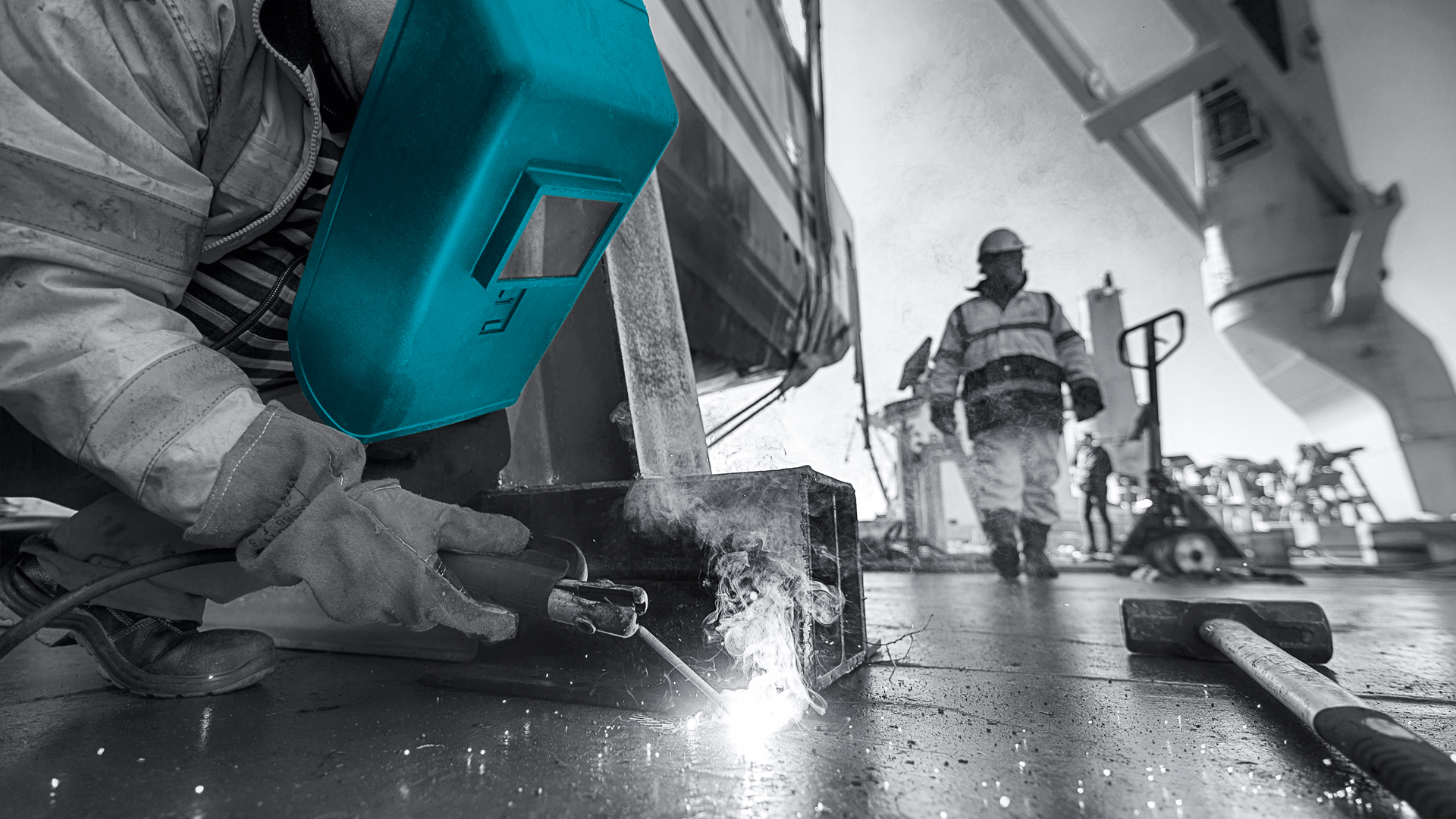
1. WPS-PQR Qualification(Welding Procedure Specification)
At Inspection & Testing Engineers (ITE), our services are tailored to enhance the efficiency and quality of your welding operations. Our Welding Procedure Specification Services in Noida are designed to optimize and standardize your welding processes, ensuring that every weld meets consistent quality and performance standards. By creating detailed Welding Procedure Specifications (WPS), we help you define and document welding pplication procedures. This method requires precise instructions on materials, welding onditions, and processes to ensure uniformity and industry standards. Our experts ure that your WPS meets ASME Sec IX, AWS D1.1, and API 1104, enabling efficient and nigh-quality welding.
Standardization: We provide detailed specifications that standardize welding procedures across your operations, enhancing consistency and quality.
Compliance: Our WPS services ensure adherence to industry standards and codes, reducing the risk of non-compliance and associated penalties.
Efficiency: By defining clear procedures, we streamline the welding process, reducing errors and improving overall operational efficiency.
Documentation: We offer thorough documentation of welding procedures, which is rucial for quality control and future reference.
Expert Guidance: Our team of certified professionals offers expert advice and support, suring that your welding procedures are optimized for performance and safety.
2. Welder Qualification
At Inspection & Testing Engineers, our mission is to offer specialized support in welder qualification, helping you ensure that your welding team meets industry standards. Our Welder Qualification Consultancy Services in Noida provide a thorough approach to evaluating and certifying welders. We assist you through every step of the qualification process, from initial assessments to practical testing and final certification. This service is essential for maintaining high-quality welding standards and ensuring that your welders are fully competent to handle various welding tasks safely and effectively. By leveraging ur expertise, you can elevate the skill levels of your team and ensure they comply with oth national and international standards. Our expert services ensure that all aspects of qualification process are handled with the utmost precision and professionalism.
Skill Assessment: Thoroughly evaluates the current skills of welders to pinpoint areas for improvement.
Certification Guidance: Assists welders in navigating the certification process to obtain necessary qualifications.
Compliance Assurance: Ensures that welders adhere to relevant industry standards and regulations.
Training Recommendations: Offers tailored advice on additional training or resources needed for skill enhancement.
Practical Testing: Conduct practical tests to validate your team’s hands-on welding abilities.
3. Brazers Qualification
Once the procedure is qualified, a brazer undergoes a performance qualification test to demonstrate their ability to follow the qualified procedure.
A Brazer qualification demonstrates a person’s ability to perform brazing tasks according to specific industry standards and regulations.
4. Failure Analysis
Failure analysis in welding involves identifying the cause of a weld failure to prevent future occurrences. It includes examining the weld area for cracks, porosity, lack of fusion, or other defects using visual inspection, non-destructive testing (NDT), and sometimes metallurgical analysis. Common reasons for weld failure include improper welding technique, incorrect materials, residual stress, or environmental factors like corrosion. The analysis helps engineers understand whether the failure was due to design, material selection, or workmanship. Accurate failure analysis is essential in industries like construction, automotive, and aerospace to improve safety, reliability, and the quality of welded structures.
5. Welding Assessment Audit
A welding assessment audit is a systematic evaluation of welding processes, personnel, equipment, and documentation to ensure compliance with industry standards, codes, and project specifications. The audit checks welder qualifications, welding procedure specifications (WPS), material certifications, and inspection records. It helps identify gaps in quality control, safety practices, and procedural adherence. Conducted by internal or external auditors, the audit ensures consistent weld quality and reduces the risk of defects or failures. It is essential in industries like oil and gas, construction, and manufacturing to maintain high standards, improve efficiency, and meet regulatory or client requirements. Regular audits promote continuous improvement.
POST WELD HEAT TREATMENT (PWHT)
POST WELD HEAT TREATMENT(PWHT)
Post Weld Heat Treatment. It’s a heat treatment process that’s commonly used in welding to reduce residual stresses, improve the mechanical properties of the weld, and enhance the overall reliability of the welded joint. The process involves heating the welded material to a specific temperature range, holding it at that temperature for a predetermined amount of time, and then gradually cooling it down.
1. Post Weld Heat treatment (PWHT)
Post Weld Heat Treatment (PWHT) is a process applied to welded structures after welding to relieve residual stresses, reduce hardness, and improve the material’s mechanical properties. It involves heating the welded area to a specific temperature, holding it for a set period, and then gradually cooling it. PWHT helps prevent cracking, distortion, and other failures that can occur due to stress concentration and material changes caused by the welding process. It is commonly used in industries like oil and gas, aerospace, and pressure vessel manufacturing to ensure the durability, strength, and integrity of welded joints under service conditions.
2. Pre- Weld Heating
Pre-weld heating is the process of heating a material, typically metal, before welding to reduce the risk of thermal shock, cracking, and distortion. It is particularly important for materials with high carbon content, thick sections, or those prone to brittle fracture, such as low-alloy steels. Pre-weld heating helps achieve uniform temperature distribution, ensuring better fusion between the base metal and the weld. The heating temperature is carefully controlled based on material type and thickness. This process also minimizes residual stresses and improves the overall integrity and strength of the welded joint, especially in critical applications like pressure vessels and pipelines.
3. Normalizing
Normalizing is a heat treatment process used to refine the grain structure of steel and improve its mechanical properties, such as hardness and toughness. The process involves heating the steel to a temperature above its critical point (usually between 800-900°C), followed by air cooling. This allows the material to achieve uniform grain size and removes internal stresses caused by previous processing steps. Normalizing improves machinability and enhances the steel’s ability to withstand wear and tear. It is commonly used for carbon steels, low-alloy steels, and other ferrous metals, particularly in applications requiring improved strength and ductility.