INDUSTRIAL SAFETY
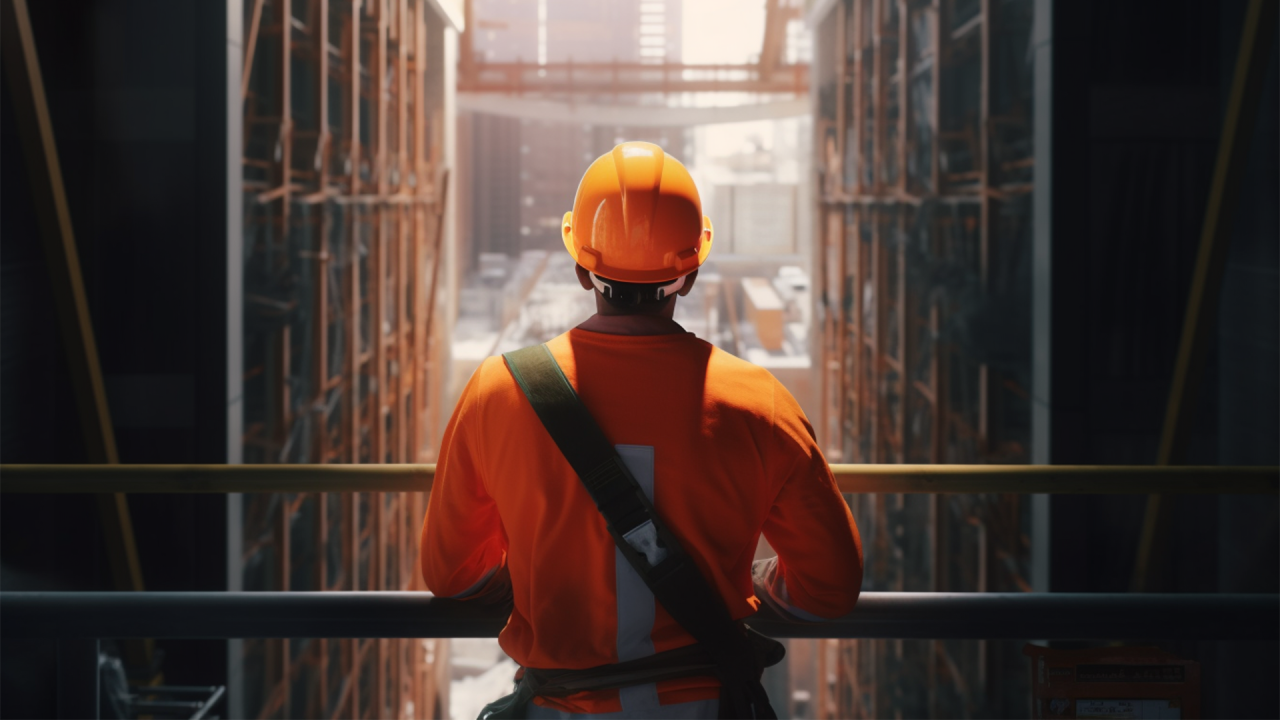
Industrial safety inspections are crucial for ensuring the well-being of workers, the integrity of equipment, and compliance with regulations. We provide the below inspection services as per the Factory act by a state government-approved Competent Person.
1. Cranes Inspection Certification
Cranes inspection certification is a formal process ensuring that cranes and lifting equipment are in safe and compliant working condition. This certification involves thorough inspections by qualified personnel to check the crane’s structure, hoisting mechanisms, safety devices, and electrical systems. It ensures that cranes meet national or international safety standards and are free from defects that could lead to accidents. Typically required annually or after significant repairs, this certification is vital in construction, manufacturing, and other industries. It helps minimize the risk of equipment failure, protects workers, and ensures legal compliance with occupational safety regulations.
2. Lifts Inspection
Lifts inspection is a critical safety procedure that ensures elevators or lifts operate efficiently and safely. Inspections are conducted regularly by qualified personnel to check for mechanical issues, wear and tear, and compliance with safety regulations. Key components like cables, motors, control systems, doors, and emergency systems are thoroughly examined. The inspection verifies that the lift meets local building codes and safety standards, ensuring it operates smoothly without risk to passengers. It also includes testing the emergency communication system and load capacity. Regular lift inspections help prevent breakdowns, minimize hazards, and ensure reliability and safety for users.
3. Lifting tools & tackles
Lifting tools and tackles refer to equipment used for lifting, lowering, and moving heavy loads safely and efficiently in industries like construction, manufacturing, and logistics. These tools include cranes, hoists, slings, shackles, hooks, pulleys, and winches. Slings (made from wire ropes, chains, or synthetic materials) and lifting hooks help attach loads, while pulleys and winches provide mechanical advantage for smooth lifting. Regular inspection and maintenance are crucial to ensure safety and prevent failure. Proper training on their use, load capacity, and safety procedures is essential to minimize the risk of accidents and injuries in workplaces.
4. Scaffolding Inspection
Scaffolding inspection is a crucial safety procedure to ensure scaffolds are structurally sound and safe for use. Inspections are typically carried out by trained professionals to assess the condition of scaffolding components such as platforms, braces, supports, and access points. The process involves checking for proper assembly, stability, and the absence of defects like corrosion or wear. Additionally, the inspection confirms that scaffolding complies with safety standards and regulations. Regular inspections help prevent accidents and structural failures, ensuring worker safety at construction sites or other elevated work areas. Inspections should be done before initial use and periodically during construction.
5. Pressure Vessels Inspection
Pressure vessel inspection is the process of evaluating the integrity, safety, and functionality of pressure vessels, which are containers designed to hold gases or liquids under high pressure. Inspections are performed regularly to detect signs of wear, corrosion, leaks, or structural damage. Methods such as visual inspection, ultrasonic testing, radiographic testing, and pressure testing are commonly used. Inspections ensure that pressure vessels comply with safety standards and regulatory requirements, preventing accidents or catastrophic failures. Regular assessments help maintain the reliability of pressure vessels in industries like oil and gas, chemical processing, and power generation, safeguarding both personnel and equipment.
6. Concrete Mixture Plant Inspection
Concrete mixture plant inspection involves evaluating the processes, equipment, and materials used in the production of concrete to ensure quality, consistency, and compliance with industry standards. Inspectors assess raw materials like cement, aggregates, and additives for proper storage and quality. They also check batching equipment, mixing processes, and the calibration of machinery to ensure accurate proportions. The inspection includes verifying the plant’s adherence to safety protocols, environmental regulations, and operational guidelines. Additionally, the quality of the final product is monitored through sampling and testing. Regular plant inspections help ensure the production of durable, reliable concrete for construction projects.